
This is Extremely Human Animal Care.
I’m Dr. Jamie McNally, and I believe we can do animal care work better!
Unashamedly Force-Free, with Human and Non-Human Animals Alike.
Fortifyu’s Signature Dual Frameworks
-
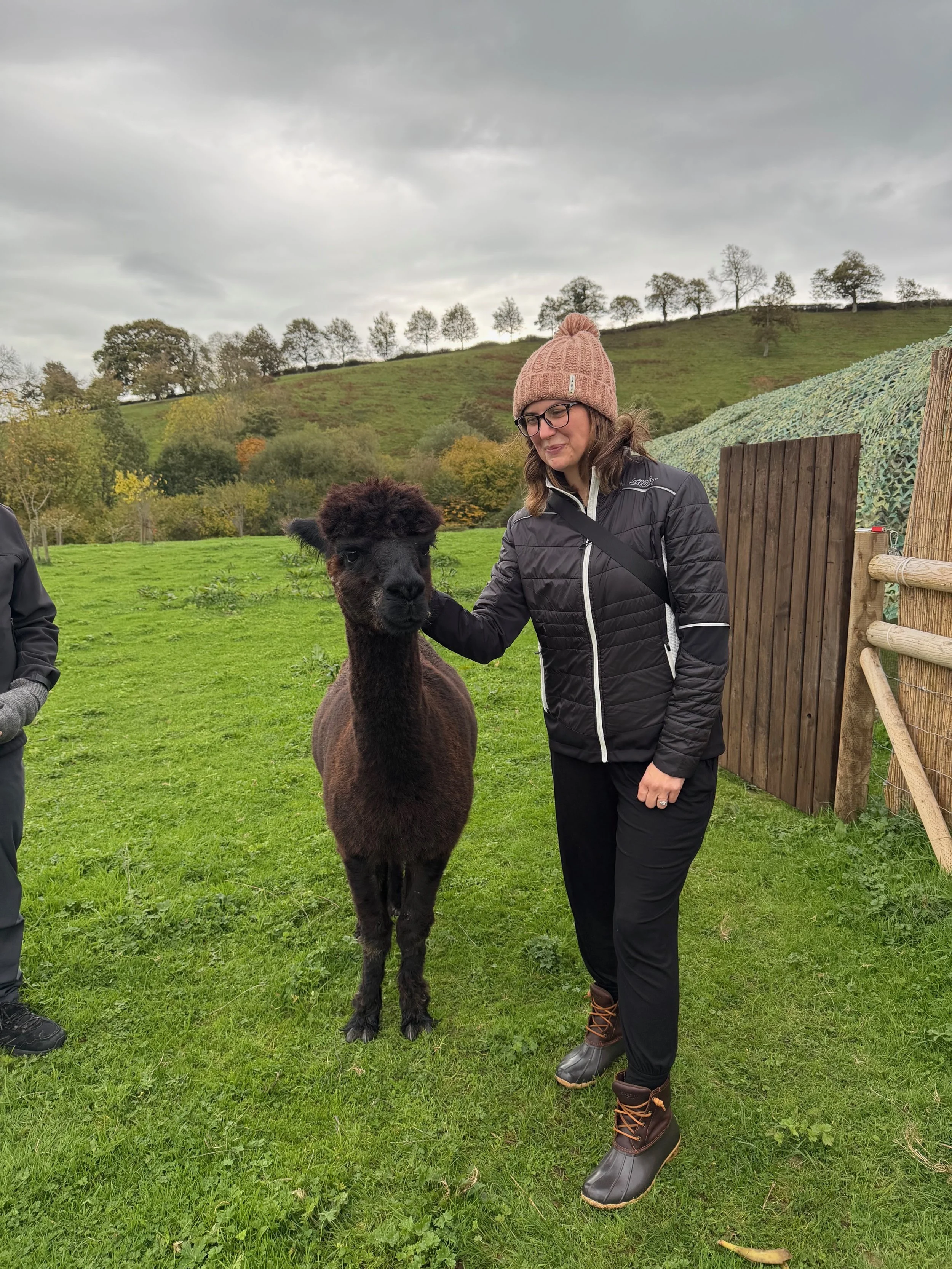
UNASHAMEDLY FORCE-FREE WITH BOTH ANIMALS AND PEOPLE
Force-Free For Everyone and Extending Compassion to All Beings
In animal training, "force-free" refers to methods that reject coercion, punishment, fear, and pain in favor of positive reinforcement and relationship-based approaches. It's about honoring agency, building trust, and recognizing that lasting change comes from safety and connection: never control.
The Unashamedly Force-Free with Human and Non-Human Animals Alike philosophy applies the “force-free” method in new and powerful ways that can transform the way we do animal care. By applying this approach to human animals as well as non-human animals, Fortifyu is transforming how we show up to save animals and is ensuring that we don’t lose ourselves while saving them!
-
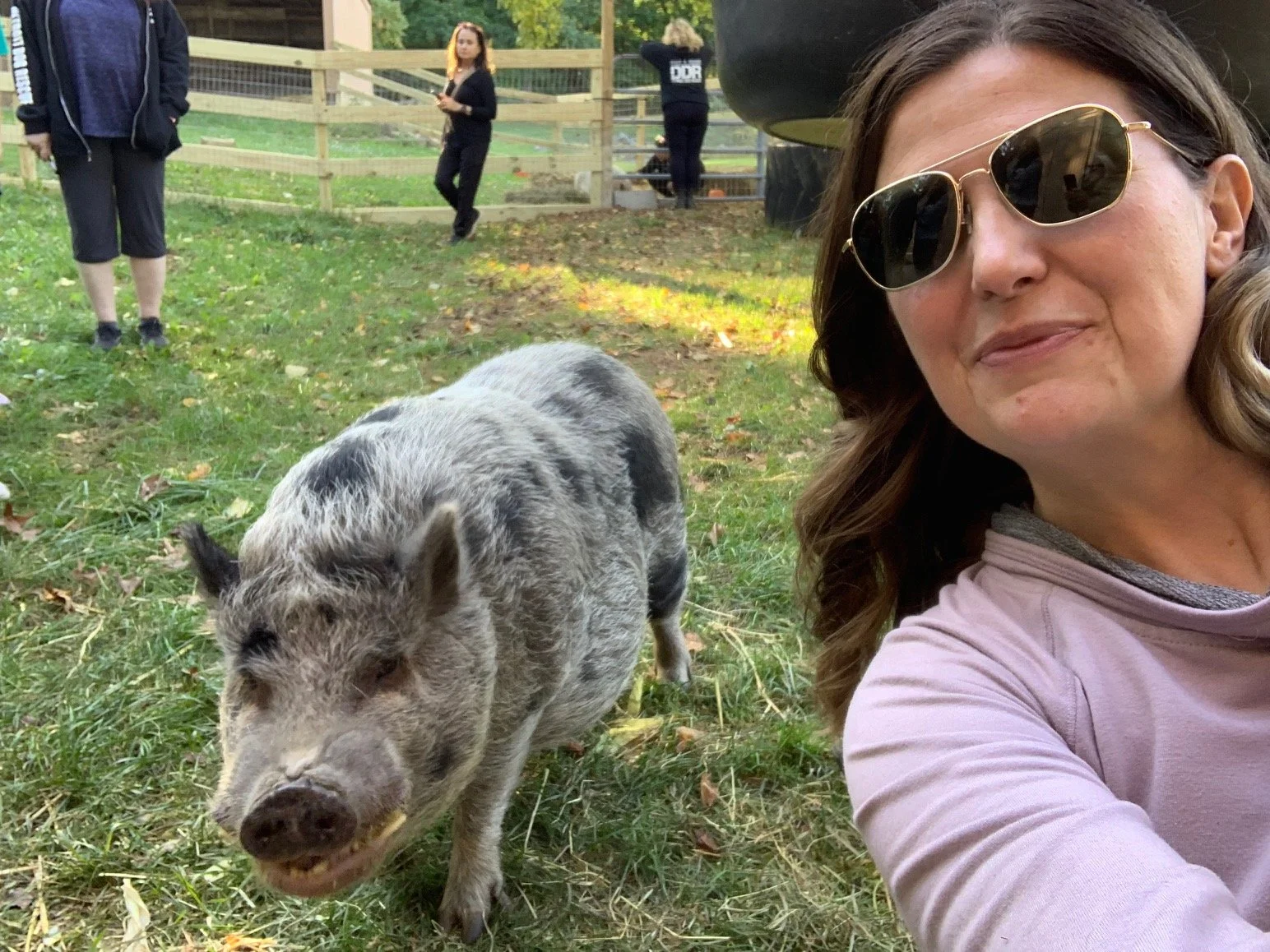
EXTREMELY HUMAN ANIMAL CARE
"Extremely human animal care" is my integration of trauma-informed practice and moral injury frameworks, applied to all of animal care work.
It's both a philosophy and a methodology and it centers values, ethics, and worldview in all that we do. This approach examines the motivations and values that drive people to animal care, dives deep into the human-animal bond, and focuses on living in identity-aligned and values-aligned ways that preserve our humanity and keep us deeply human in the most beautiful ways.
Extremely Human Animal Care allows us to retain talent, attract new advocates, and save more animals all while feeling more joy in the process.
Bring the Extremely Human Animal Care and
Unashamedly Force-Free with Human & Non-Human Animals Alike
frameworks your organization!
My Story
The Path to Extremely Human Animal Care
For 14 years, I was a therapist specializing in trauma, PTSD, moral injury, and complex grief. I hold a PhD in Counseling Education and Supervision and am a Licensed Professional Counselor, Veterinary Social Work/Veterinary Mental Health Professional, and Certified Compassion Fatigue Specialist with additional certifications and training in EMDR, somatic breathwork, couples and relational specializations, dialectical behavior therapy, and more. My clinical specialties and animal shelter volunteer involvement led me deep into animal-related trauma and loss, and I shifted from clinical practice to empirical research and wellness coaching for animal care professionals.
On paper, I’m a clinician-turned-coach-and-researcher. In practice, I'm someone who refused to accept that good people and good animals should be sacrificed to broken systems.
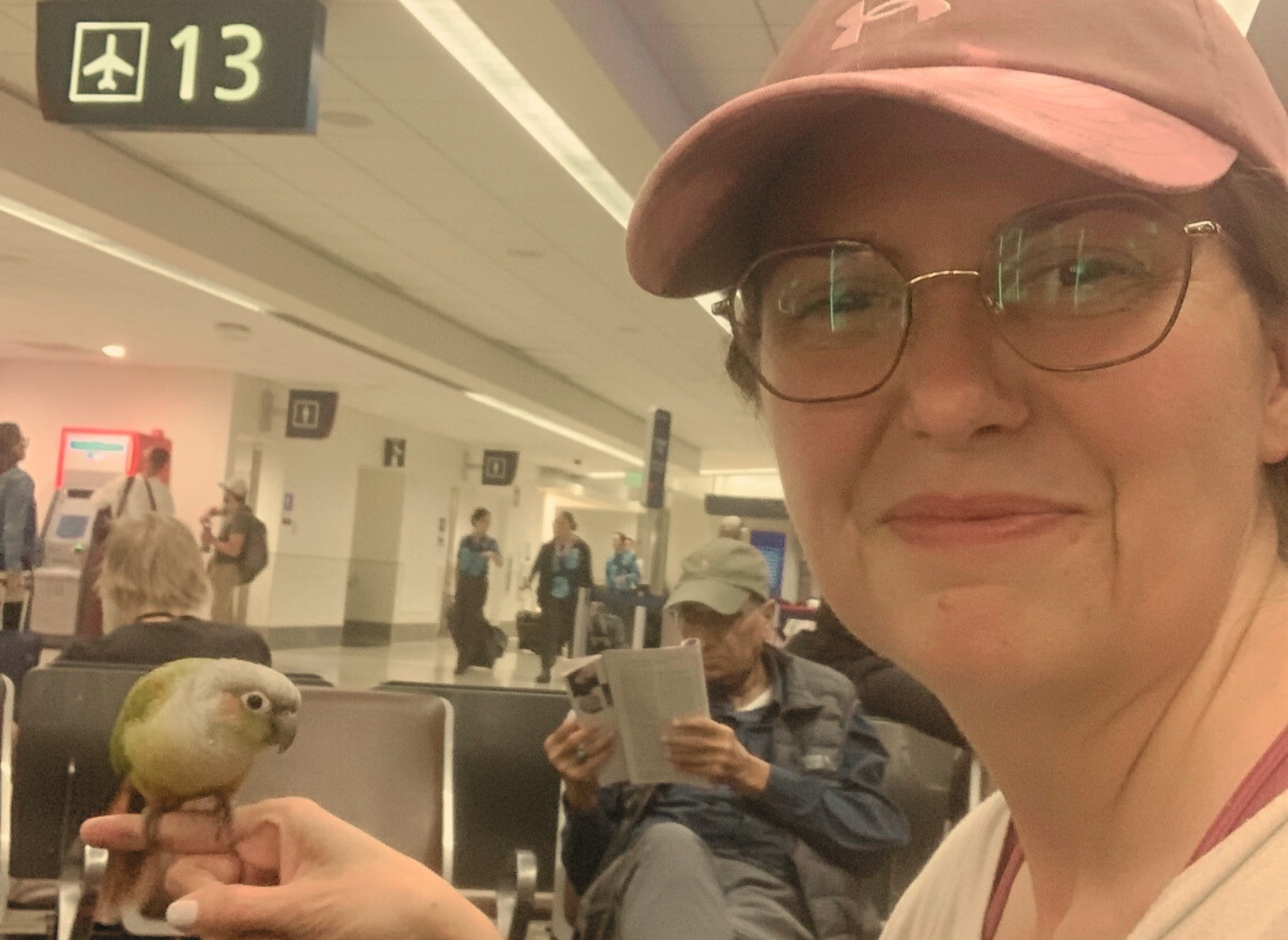
My academic path led me to this work. My dissertation research focused on moral injury. It’s a concept born in military contexts and that is where I first researched it. I wanted to understand the specific psychological and existential wounds that occur when our values and our actions misalign. When we're forced by circumstance, policy, or resource scarcity to do things that violate who we are.
But my real education happened when I became immersed in censored internet content and when I became embedded on the shelter floor.
For years, I've specialized in working with content moderators (ones responsible for monitoring content of every type of animal abuse that has been uploaded to the internet from around the world) and I’ve simultaneously volunteered multiple days per week at Michigan's highest-intake animal shelter. I'm not there as a researcher or consultant. I'm there in the trenches: walking dogs, preparing enrichment, supporting new volunteers, cleaning kennels, and giving perfect animals their last walks or holding them through euthanasia.
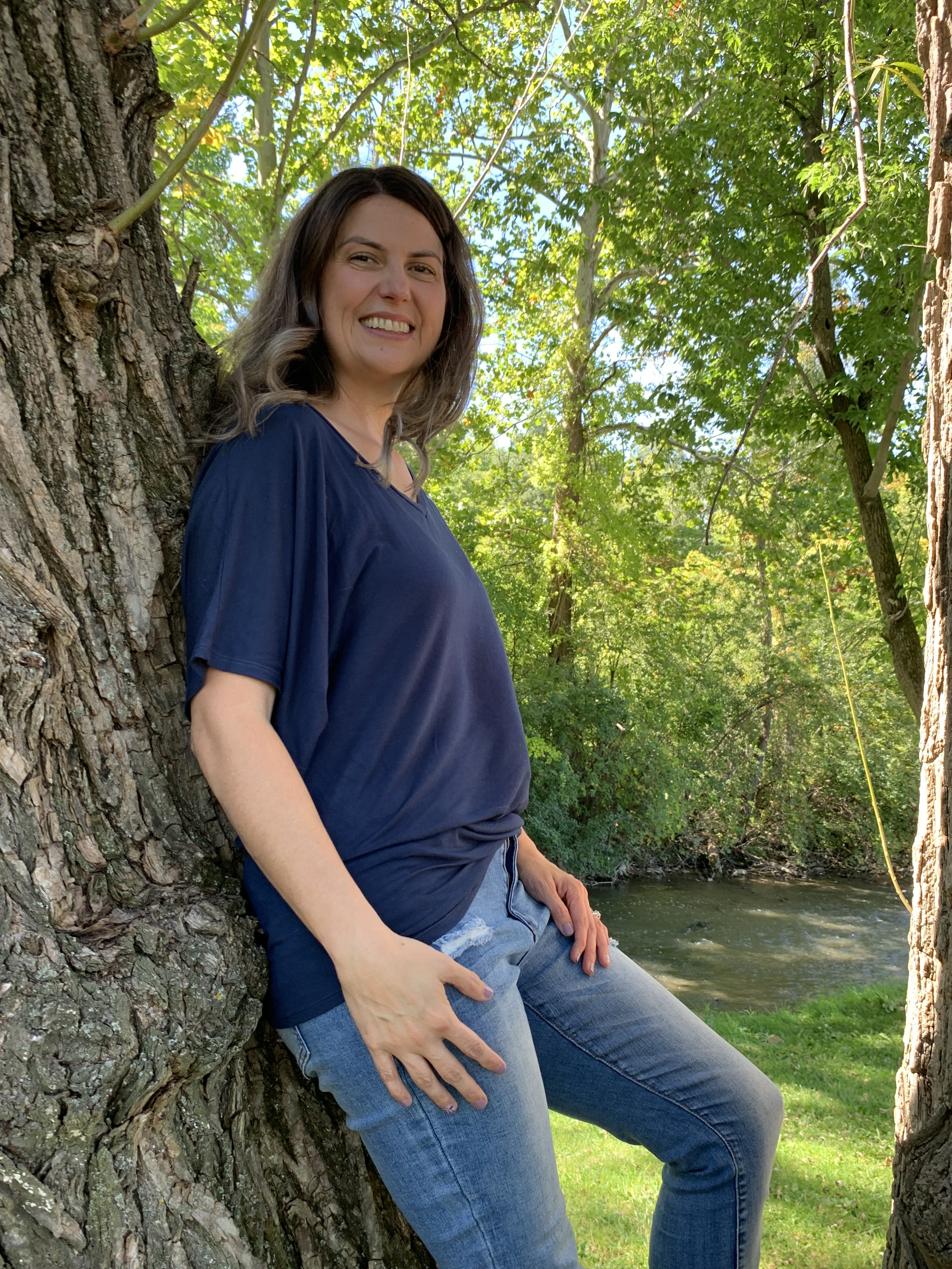

This dual existence as a PhD researcher and frontline volunteer gave me something rare: I understand animal care work from both sides. I know the research. And I know what it feels like when your heart is breaking but you have to show up anyway because the animals need you.
And so, when I started seeing the patterns that nobody was talking about, I went to work and started studying it…
Here Is What I Found
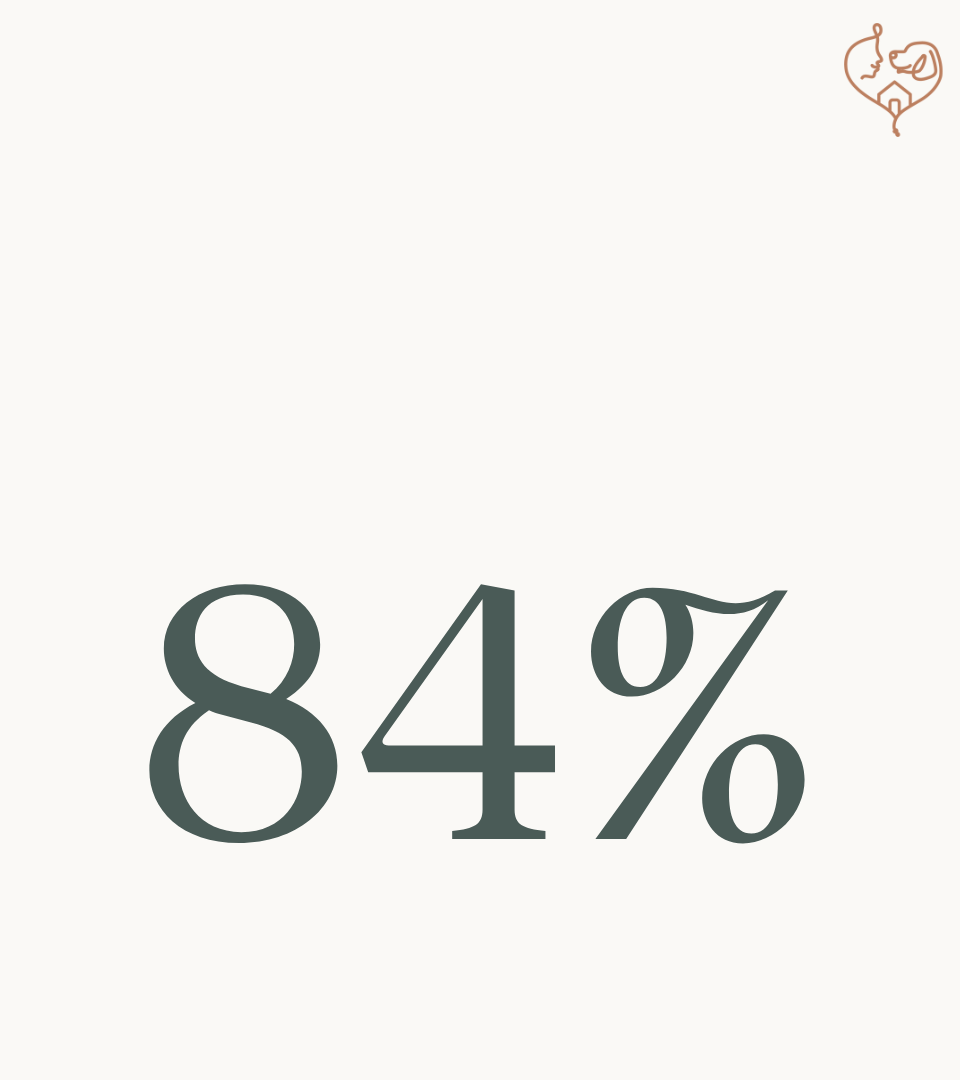
Eighty-Four Percent of Animal Care Workers Report Exposure To Morally Violating Events in Their Work
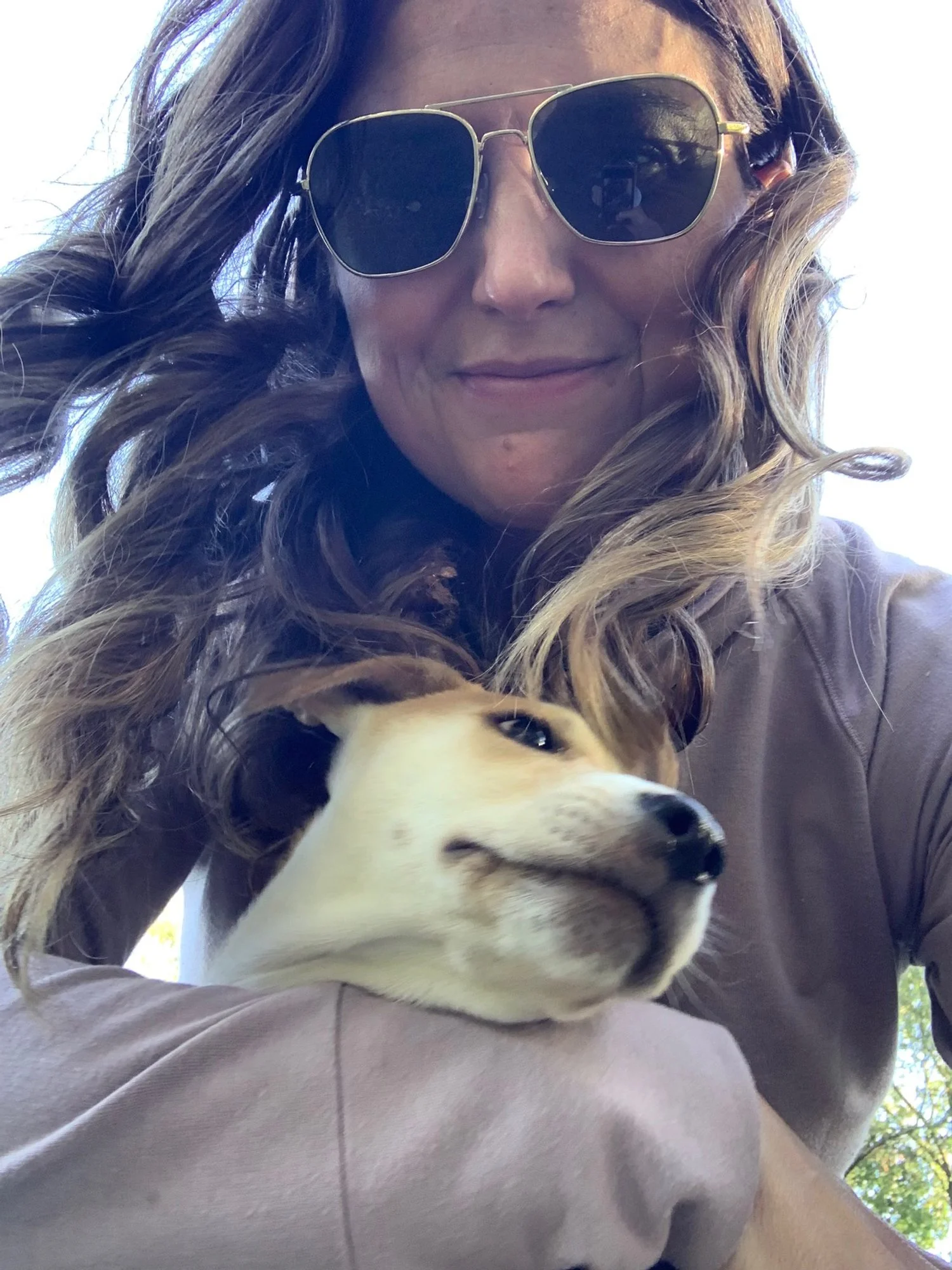
Why This Matters Now
We're losing our best people.
And the standard response isn't working. This is what happens when the problem is not only individual, but also systemic.
When we force good people to make impossible choices without adequate resources, support, or acknowledgment, we create moral injury. When we shame them for struggling or gossip and criticize, we compound the harm. When we replace them rather than fixing the systems that broke them, we perpetuate the cycle.
Extremely human animal care offers a different path.
It names what's actually happening (moral injury, not just "burnout"). It challenges the systems that create harm (punitive leadership, resource scarcity, bullying cultures). It provides frameworks for healing individual wounds AND transforming organizational cultures.
This isn't just about helping individuals cope. It's about building a movement toward systemic change.
Let's Build Extremely Human Animal Care, Together
Whether you're seeking personal healing or organizational transformation, the first step is a conversation.
The Human Behind the Work
I'm a trauma therapist, researcher, and organizational consultant. But I'm also:
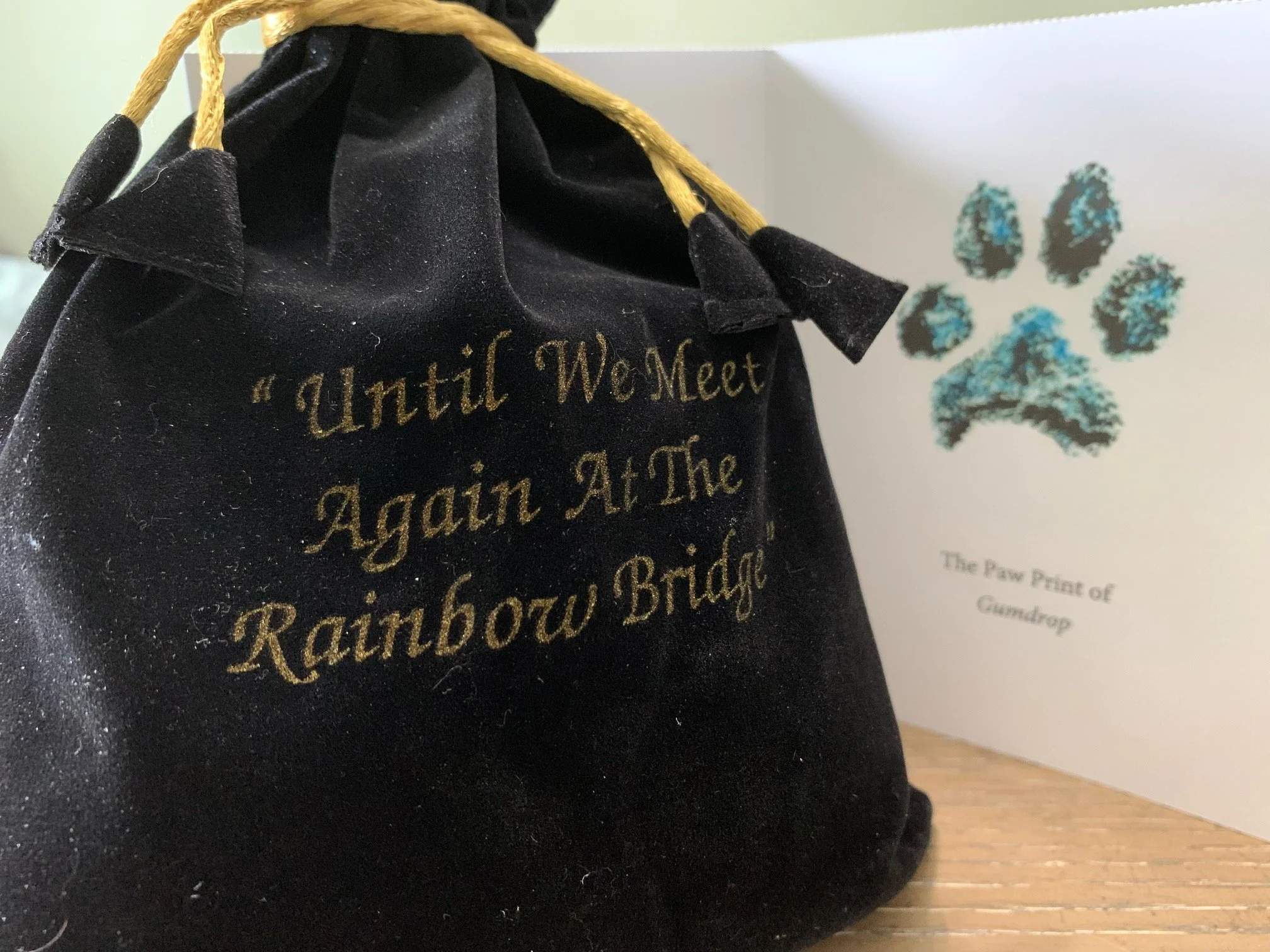
A shelter volunteer who's held too many animals during their last moments. I know what it's like to be the last one to snuggle and walk a dog before their walk to the euthanasia room. I know what it's like to head home and cry in the car because love alone is not enough to save them.
Someone who's been attacked for refusing to join in the bullying culture. I've lost relationships, opportunities, and professional standing for holding to my force-free values even when it was unpopular. I've been called green, naive, sing-songy, and other names for refusing to dehumanize people I disagree with.
A person who believes in second chances…and third, and fourth. Because I've needed them myself. Because I know that people are complex. Because I refuse to reduce anyone to their worst moment. (I’ve had my in this work, too!)
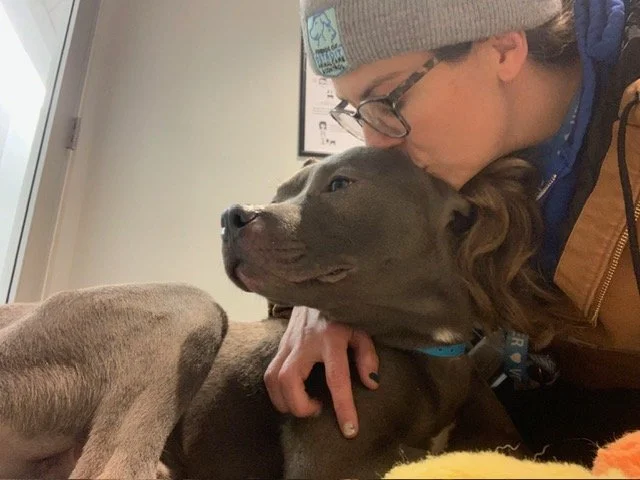
Dr. Jamie McNally, PhD, LPC, VSW/VMHP
Trauma Specialist | Moral Injury Researcher | Force-Free Advocate
Extremely Human Animal Care
An advocate for the hard path. It would be easier to join the pile-ons, to shame people publicly, to use force when I'm frustrated. But I believe the only way forward is through relationship, dignity, and the radical belief that all beings deserve compassion, even when they're difficult, even when they've caused harm, even when it costs me everything.
This work is personal. I didn't choose this path because it was easy or lucrative. I chose it because I couldn't not do it. It's a vow to my values and a refusal to participate in a world increasingly defined by force, coercion, and cruelty. And it’s a reflection of my belief that change is possible. Not through force. Through relationship, dignity, and the radical belief that all beings, human and non-human, deserve compassion.
This is extremely human animal care. And I'm here to help you build it.